
Who is this course for?
This is an intensive professional training course for teachers and professional staff from primary and secondary schools, VET colleges and universities, who want to develop their English language skills while gaining a deeper understanding of Irish life and culture. It welcomes participants from a wide range of backgrounds and subject areas, not just language teachers. Participants must have at least an intermediate (B1) level of English.




Format
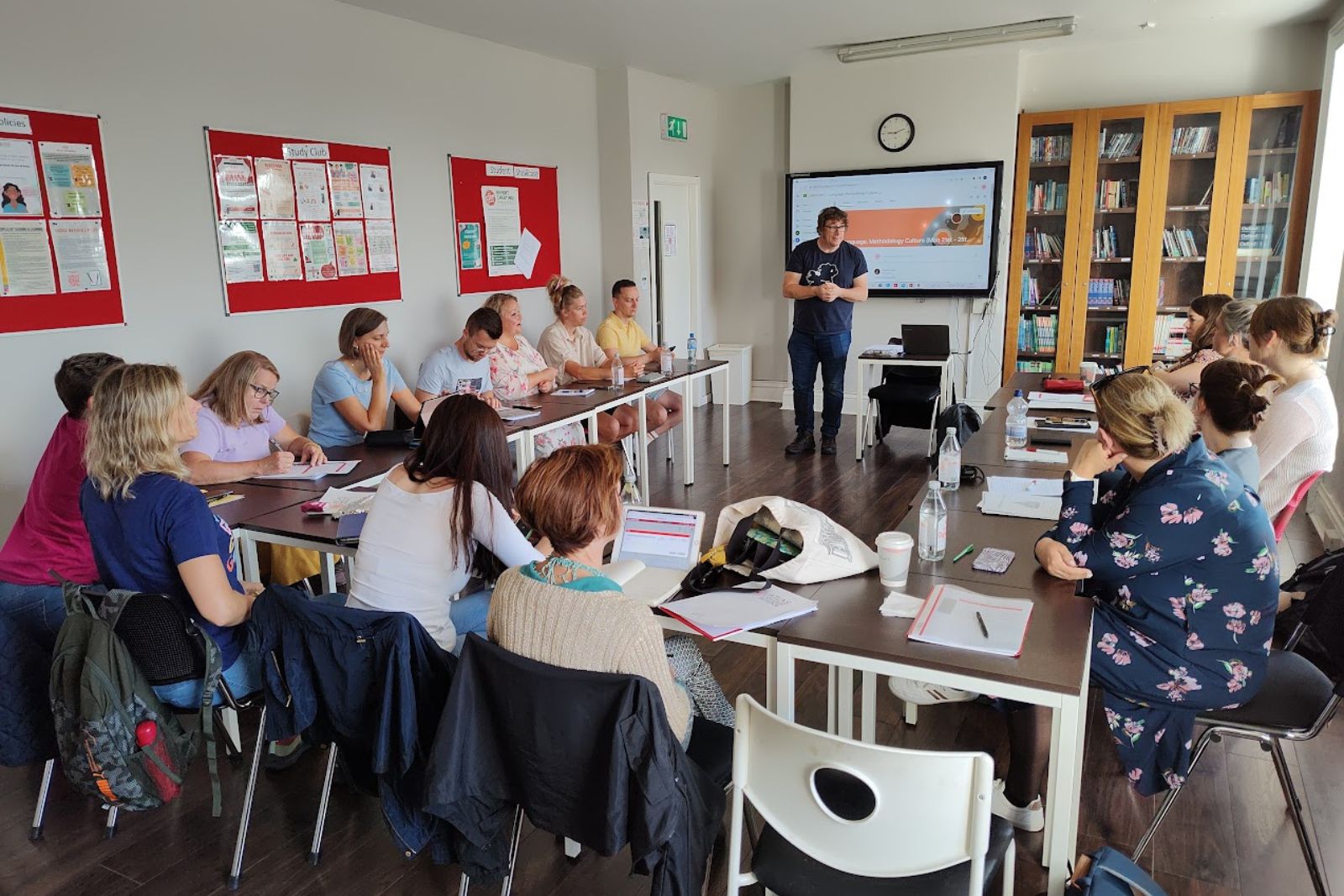
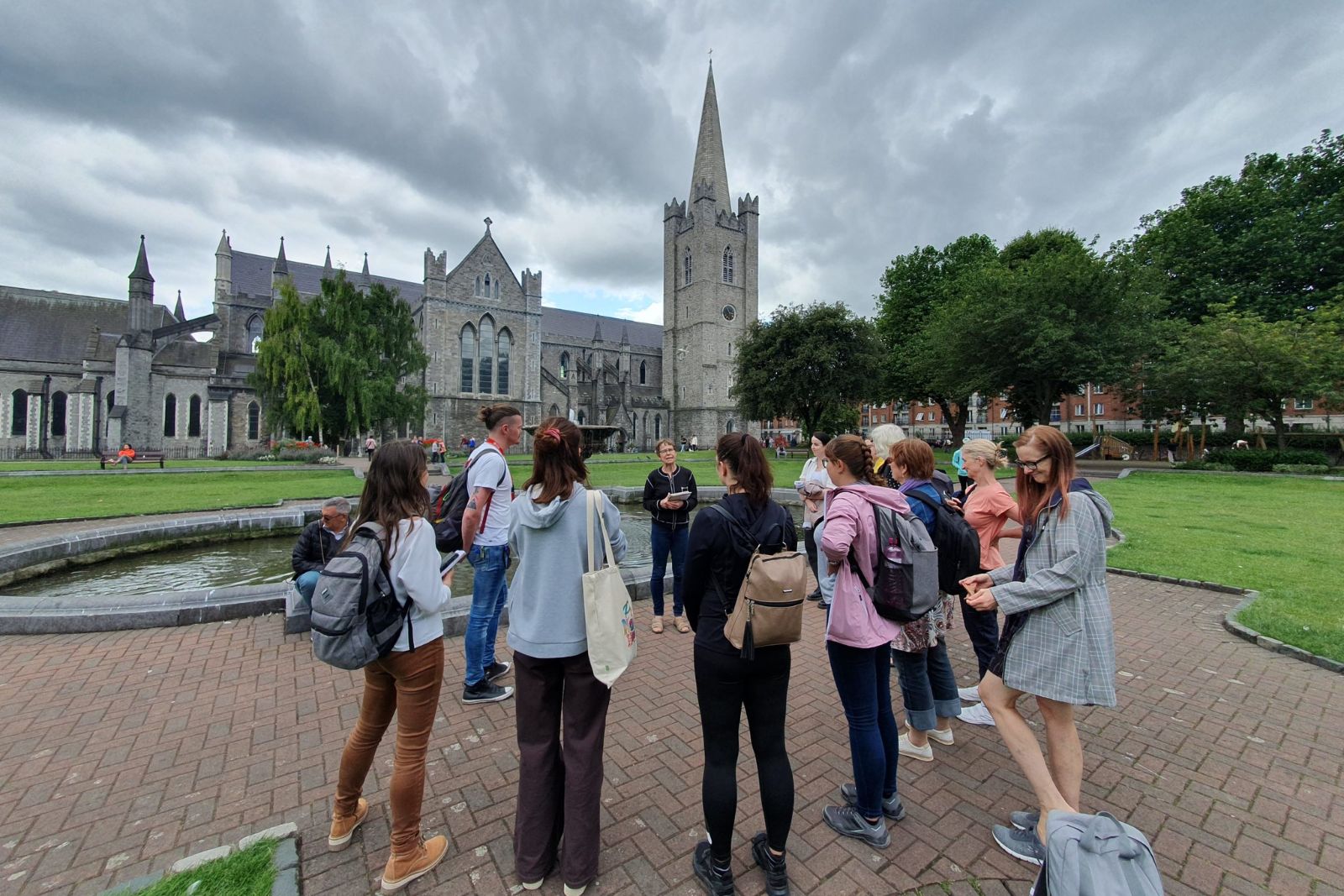
This Language, Culture & Communication course is a one-week course consisting of 20 lessons, plus 5 integrated off-site activities or excursions as part of an extensive cultural and social programme.
Course Dates
| 2026 | March/April 2027 | June/July 2027 | August/September 2027 | October 2027 |
|---|---|---|---|---|
| 31st August (Dublin) | 15 March (Dublin, Liverpool) | 28 June (Dublin, Liverpool) | 2 August (Dublin, Liverpool) | 11 October (Dublin, Malta, Liverpool) |
| 19th October (Dublin) | 5 April (Dublin, Malta, Liverpool) | 5 July (Dublin, Liverpool) | 9 August (Dublin, Malta, Liverpool) | 18 October (Dublin, Malta, Liverpool) |
| 12 July (Dublin, Malta, Liverpool) | 16 August (Dublin, Liverpool) | |||
| 19 July (Dublin, Liverpool) | 23 August (Dublin, Malta, Liverpool) | |||
| 26 July (Dublin, Malta, Liverpool) | 30 August (Dublin, Liverpool) | |||
| 6 September (Dublin, Liverpool) |
Closed bookings just for your group (7+): Available upon request every week. Please send us your details using this form.
Course Aims
By attending this Language, Culture & Communication course, you will:
Methodology
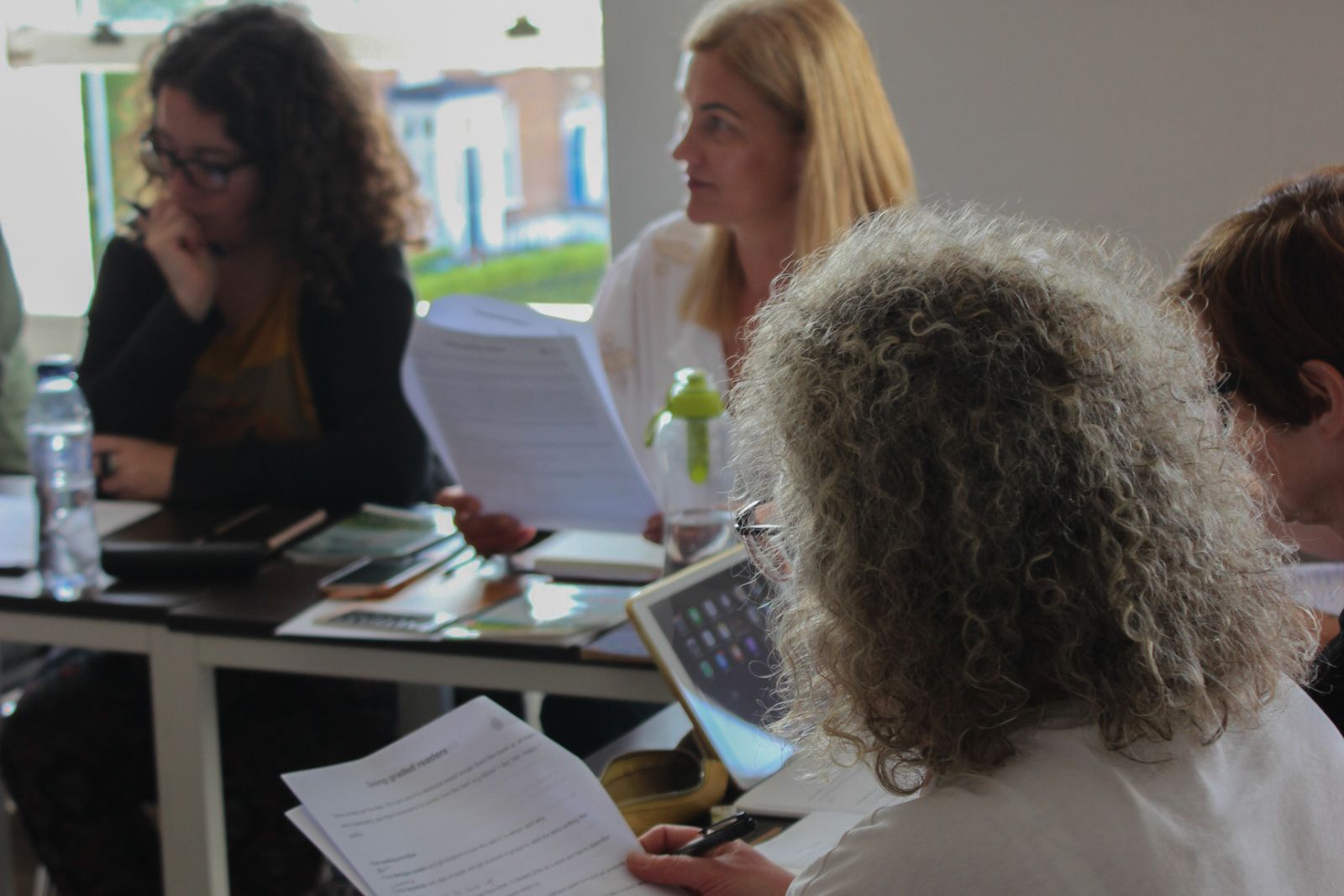
This is a dynamic, communicative course that places language learning in a rich cultural context. Sessions encourage active participation through discussion, pair work, and group activities, drawing on topics rooted in Irish life and society.
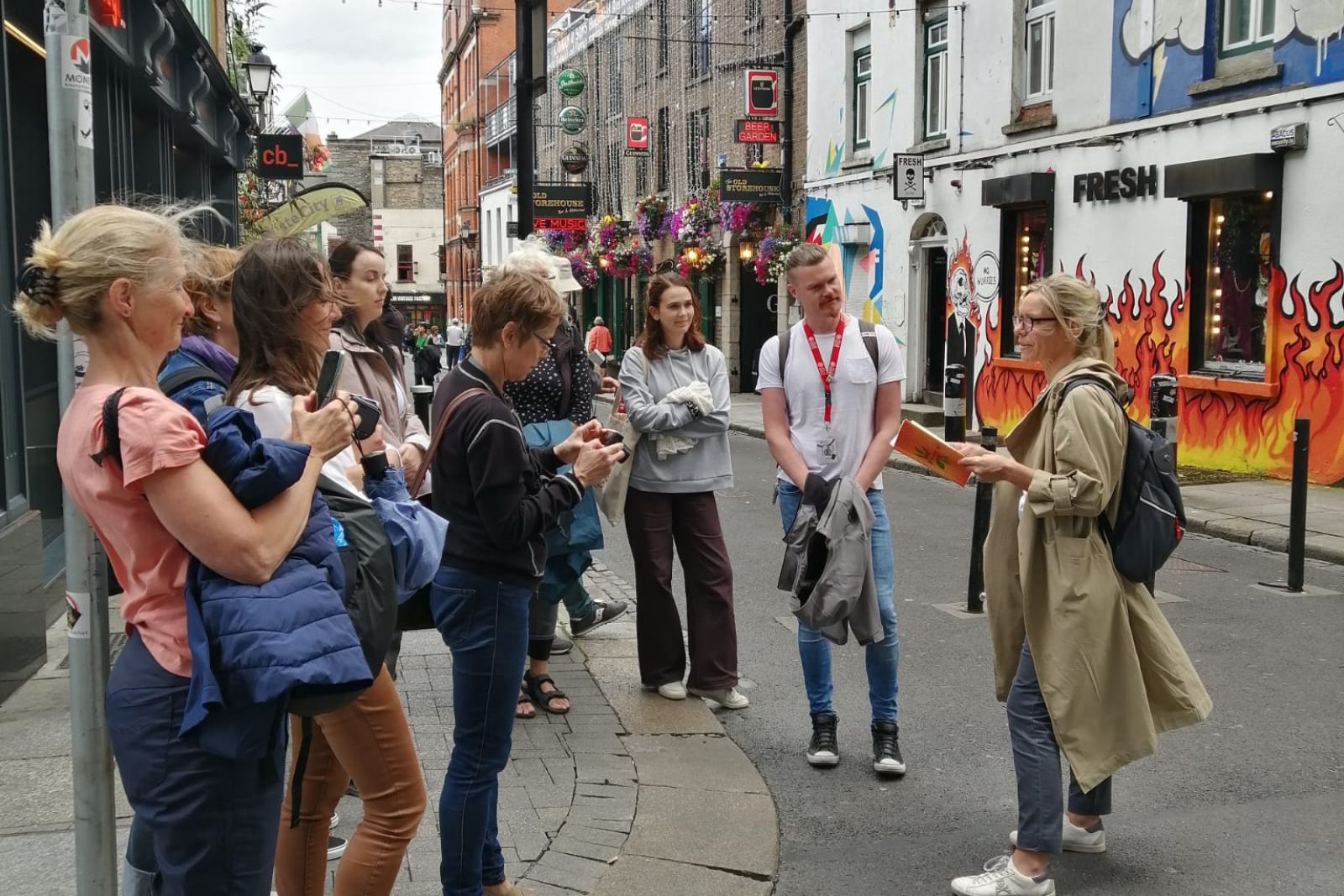
Participants will also take part in a range of afternoon activities, putting their language skills to use in informal settings outside the classroom and deepening their knowledge of contemporary Ireland.
Course Programme and Sample Timetable
The Language, Culture & Communication course has two main components:
For closed bookings just for your group (minimum 7 people), to ensure your course meets your development objectives, the schedule of sessions on every course is drawn up and agreed with each group of participants and Erasmus Plus coordinators on the basis of pre-course training needs analysis questionnaires.
SAMPLE TIMETABLE Language, Culture & Communication DUBLIN
| (Sample) | Monday | Tuesday | Wednesday | Thursday | Friday | Saturday |
|---|---|---|---|---|---|---|
| 9:00 -13:00 | Session 1: Course Orientation Irish English Expressions | Activity: Trinity College and Book of Kells | Session 1: Accent, Dialect and Identity in Irish English | Activity: MoLi - Museum of Literature Ireland | Session 1: Communicating in a Digital World | Full day excursion to Howth OR Malahide |
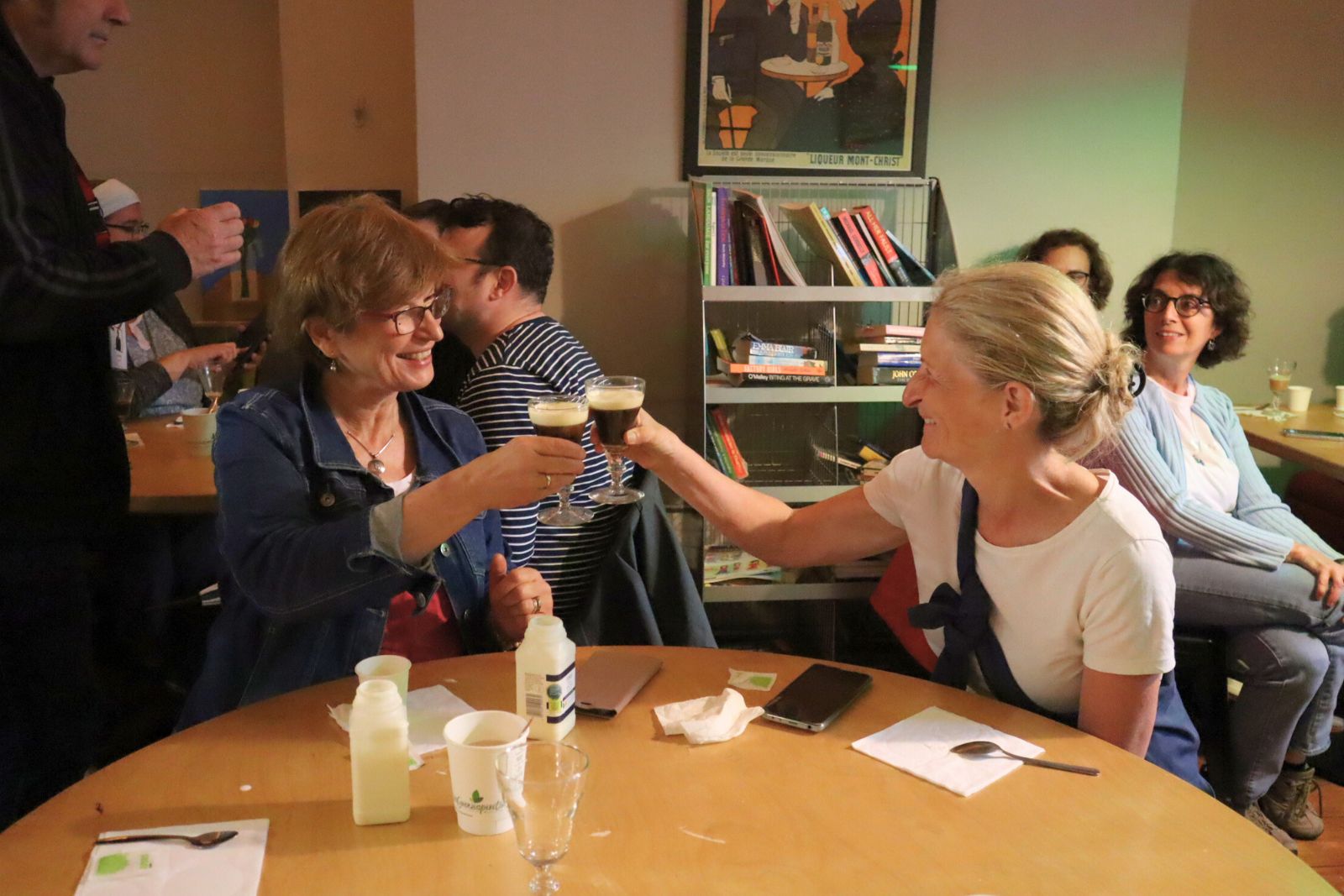
| Session 2: Dublin's Parks, Squares and Public Spaces | Session 2: Sustainable Cities - Dublin and Gentrification | Session 2: Reflection on learning. End of course Irish Coffee. | ||||
| 13:30 - 17:30 | Activity: Orientation tour of the City | Session 1: Language in Use: Communicating Across Cultures | Activity: Walk and Talk Tour - The Liberties | Session 1: Storytelling: Oscar Wilde and the Irish Narrative Tradition | Free Afternoon | |
| Session 2: Ireland – Brexit, The Border and a Border Poll | Session 2: Changing Ireland: Women in Irish Society |
SAMPLE TIMETABLE Language, Culture & Communication LIVERPOOL
| (Sample) | Monday | Tuesday | Wednesday | Thursday | Friday | Saturday |
|---|---|---|---|---|---|---|
| 9:00 -13:00 | Session 1: Course Orientation Scouse and Everyday British English | Session 1: British Humour and Cultural Misunderstandings | Session 1: Accent, Dialect and Identity in British English | Session 1: Liverpool Stories, Poets and the British Narrative Tradition | Session 1: British Online Culture and Changing Language | Full day excursion to Chester |
| Session 2: Liverpool: History, Identity, and Development | Session 2: Britain and Liverpool in the 20th and 21st Centuries | Session 2: The Beatles and Liverpool's musical heritage | Session 2: Multiculturalism: Liverpool and Contemporary Britain | Session 2: Reflection on learning. End of course certificates | ||
| 13:30 - 17:30 | Activity: Orientation tour of the City | Activity: Maritime Museum | Activity: Walk and Talk Tour – The Beatles | Activity: Liverpool Central Library and Walker Art Gallery | Free Afternoon | |
SAMPLE TIMETABLE Language, Culture & Communication MALTA
| (Sample) | Monday | Tuesday | Wednesday | Thursday | Friday | Saturday |
|---|---|---|---|---|---|---|
| 9:00 -13:00 | Session 1: Understanding Cultural Differences - The Cultural Iceberg | Session 1: Exploring Maltese Language and Identity | Session 1: Festivals, Faith and Community in Malta | Session 1: Stories of Malta: Themes, characters and moral messages. | Session 1: Malta Through Our Eyes: Presentation | Tour of Valletta (Or Mdina Tour or Three Cities Tour) |
| Session 2: Malta’s Public Spaces and every day life | Session 2: Malta and the European Union | Session 2: Malta at a Crossroads: Progress, Place and People | Session 2: Malta on Screen: From Film Set to Global Stage | Session 2: Graduation with end-of-course pastizzi & Kinnie. | ||
| 13:30 - 17:30 | Activity: Welcome Drink | Activity: Maltese Dinner Experience | Activity: Secrets of Malta Tour | Activity: Malta Movie Tour | Free Afternoon | |
Follow Up
Participants on the course are encouraged to keep in contact, sharing materials and experiences when back in their own classrooms. Follow-up contact is made with the participants after completion of the course to gather feedback on the effectiveness of the classroom activities presented and on how their teaching practice has developed.
Price List
1 - week training course
- Programme includes materials, excursions and activities.
Additional Fees 2026
Dublin
- Homestay Accommodation: €295 / week (single room, half-board) + €75 accommodation placement fee
- Residential Accommodation:
- Atlas Residence Rathmines (single room, half-board) €395/ week + €75 accommodation placement fee
- Brickfield Lane (single room, self-catering) €430/ week + €75 accommodation placement fee
- Brickfield Lane (twin room, self-catering) €330/ week + €75 accommodation placement fee
- Please note there is a €50 per week Summer Supplement for residential and homestay stays between 13th Jun – 6th Sept 2026.
