
Medieval Dublin Walking Tour
Dublin is a modern city, but if you know where to look, you can still find traces of the 1,000-year-old settlement buried beneath the pavement. On our Medieval Dublin tour, we move away from the tourist traps to explore the city’s Viking origins, the Norman conquest, and what life was actually like inside the old city walls.
Stop 1: The Poddle – Dublin’s Hidden River
Most people focus on the Liffey, but the River Poddle is arguably more important to the city’s history. Today, it’s mostly tucked away in underground tunnels, but you can still see where it meets the Liffey from the boardwalk.
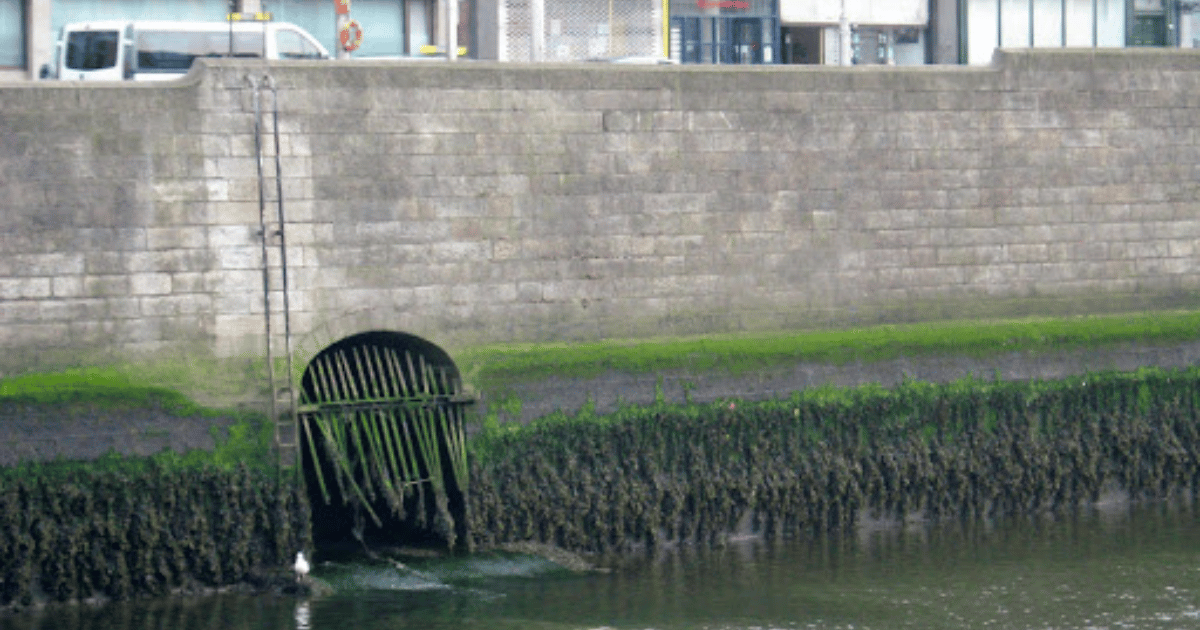
This spot is the “Dubh Linn” (Black Pool) that gave the city its name. When the Vikings arrived around 841 AD, they chose this area because the Poddle provided fresh drinking water which was something the tidal, salty Liffey couldn’t offer. This small river was the reason Dublin became a thriving trading hub.
Stop 2: Dublin Castle & the Norman Conquest
The shift from Viking to Norman rule changed Ireland forever. It started with a power struggle between Irish kings, leading to the arrival of Richard de Clare (Strongbow) and his army in 1170.
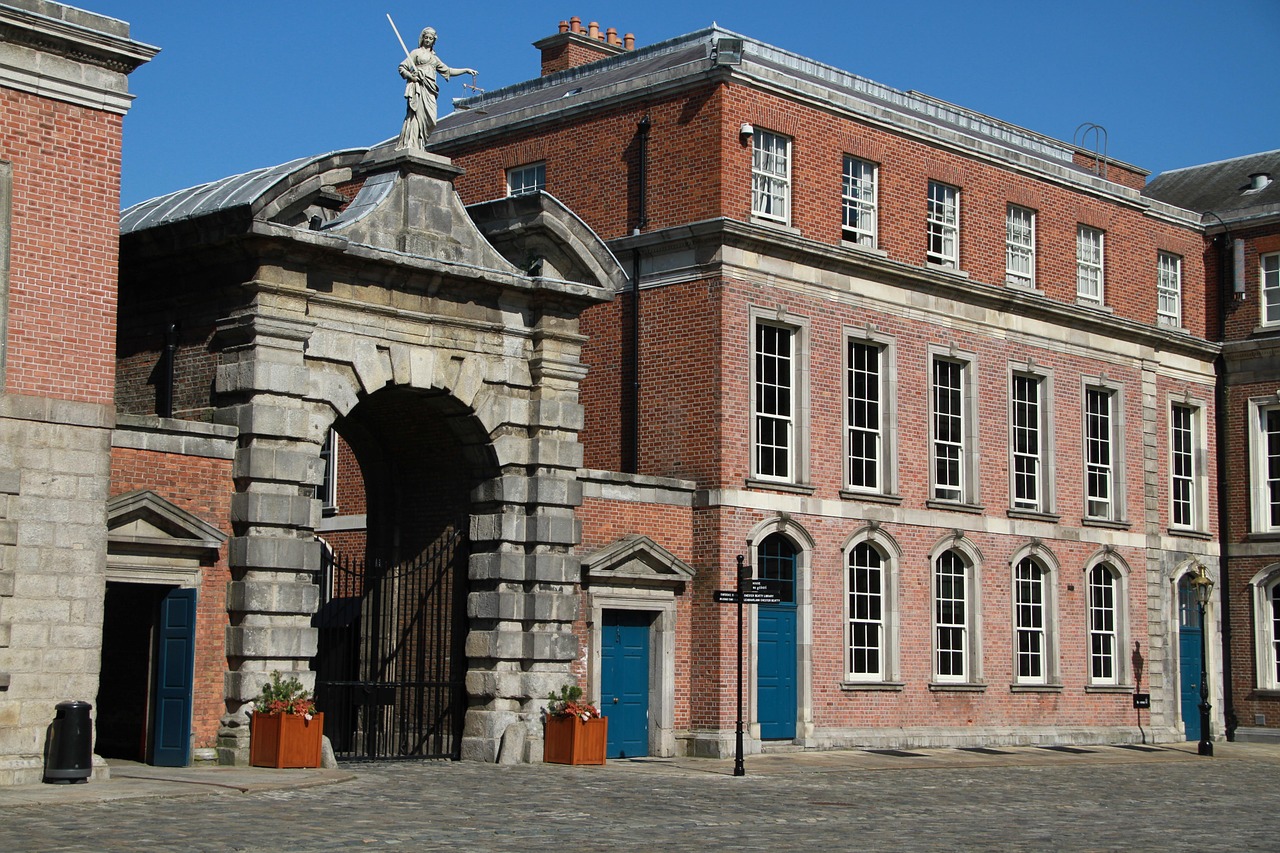
Dublin Castle became the symbol of this new era. While much of the current complex is more recent, the Record Tower dates back to 1230 and gives you a real sense of the original fortress.
Keep an eye out for the statue of Lady Justice in the courtyard. Locals often point out the irony of her design: her sword is raised rather than resting, and her scales famously tilted whenever it rained..hardly a great look for a symbol of “fair” justice.
Stop 3: Christ Church Cathedral
Viking King Sitric Silkenbeard founded Christ Church as a wooden church in 1030. After the Normans took over, they rebuilt it in stone to reflect their power.
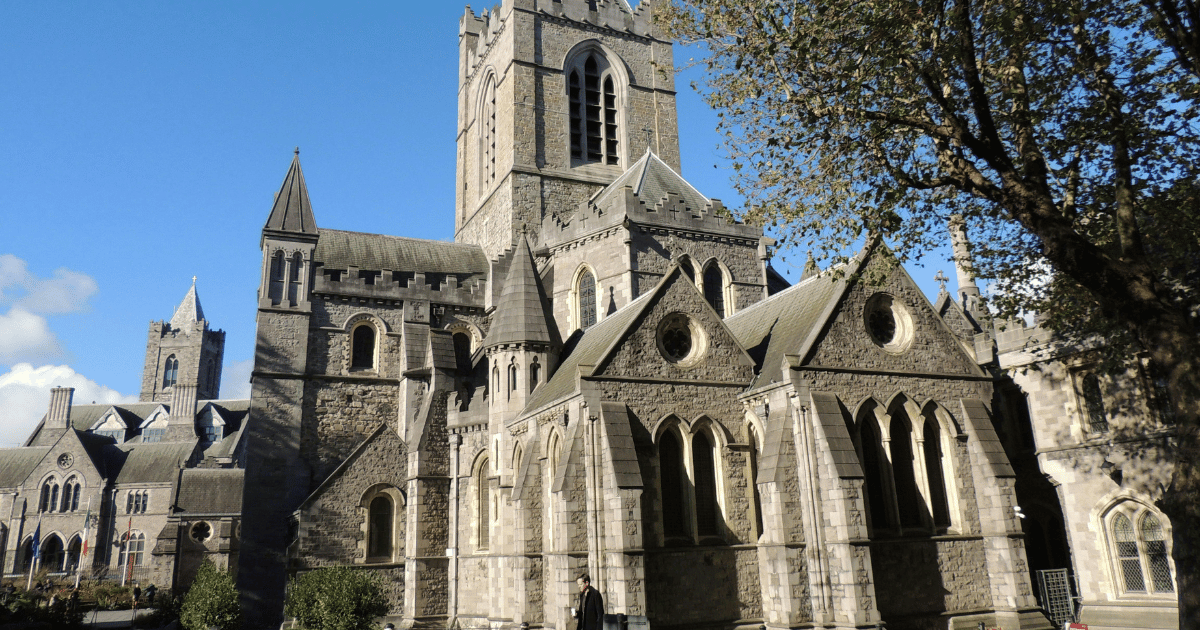
Underneath the cathedral lies a massive 12th-century crypt. It is one of the oldest structures in the city. The crypt holds everything from royal treasures to a famous mummified cat and rat.
The Dublin City Council building stands right behind the cathedral. It sits on one of the most important Viking archaeological sites ever discovered. The decision to build over it in the 1970s sparked massive protests. We discuss this controversy as we pass through the site.
Stop 4: Cook Street & The Black Death
Cook Street offers the best view of the old city limits. Workers built this section of the medieval wall around 1220. Back then, guards locked the gates every night at sunset. If you arrived late, you stayed outside until morning.
Life inside the walls was grim. About 4,000 people lived in cramped, timber houses along narrow, muddy lanes. These conditions turned the city into a playground for the Black Death in the 14th century. The plague devastated the population. Authorities often boarded up entire families inside their homes to stop the spread.
Read more about the Black Plague in Dublin here: History Ireland
Join Us
Do you want to see the parts of Dublin that most people miss? Join us on our next tour.
-
Duration: 1.5–2 hours
-
Starting Point: One Central Plaza
-
Who it’s for: Anyone interested in the grit and history of the old city.
Check out our other walking tours here: Atlas Language School Walking Tours
